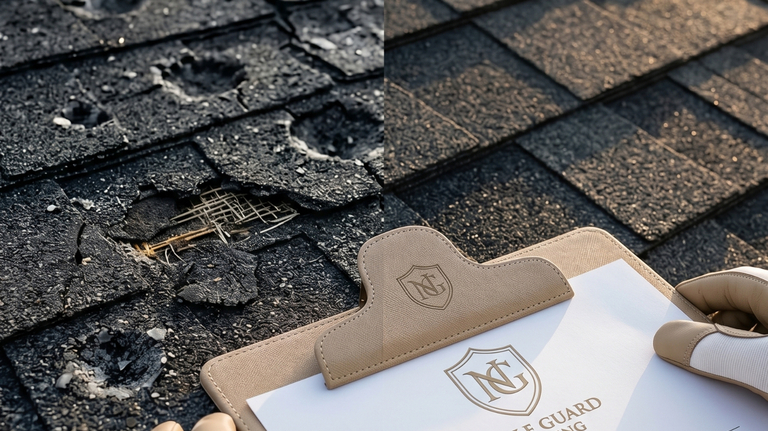
Filing a storm damage roof insurance claim in Texas can be a daunting task for many homeowners. Understanding the claims process is essential to ensure you receive the compensation you deserve. This guide walks through the step-by-step process, the documentation required, common pitfalls to avoid, and expert guidance to help you navigate insurance claims with confidence.
Step-by-Step Process
Filing a storm damage roof insurance claim involves several critical steps that must be followed to ensure a successful outcome.
Necessary Documentation
When filing a storm damage roof insurance claim, having the right documentation is essential. The following items are typically required:
- Photos of the Damage: clear images showing the extent of the damage.
- Inspection Report: a detailed report from a qualified roofing contractor outlining the damage and necessary repairs.
- Claim Forms: completed forms provided by your insurance company detailing the damages and your claim request.
Common Pitfalls to Avoid
Navigating the insurance claims process can be tricky, and many homeowners make common mistakes that can jeopardize their claims:
Expert Guidance for Successful Claims
Key Types of Storm Damage Covered by Texas Roof Insurance
Understanding the types of storm damage typically covered by Texas insurance is crucial for homeowners. Common types include:
- Hail Damage: Often caused by severe thunderstorms; can lead to significant roof damage.
- Wind Damage: High winds can lift shingles and cause structural issues.
- Water Damage: Heavy rainfall can lead to leaks and intrusion, causing further interior damage.
How Texas Insurance Defines Storm-Related Roof Damage
In Texas, storm-related roof damage is defined as any damage caused by severe weather events, including hail, wind, and heavy rain. Policies typically cover repairs for damages that are sudden and accidental, ensuring homeowners are protected against unforeseen weather events.
Storm Events That Commonly Cause Roof Damage in Texas
- Hailstorms: Can cause significant damage to roofing materials, leading to costly repairs.
- High Winds: Strong winds can displace shingles and compromise roof integrity.
- Heavy Rainfall: Prolonged rain can lead to leaks and water damage requiring immediate repairs.
Identifying and Documenting Roof Damage
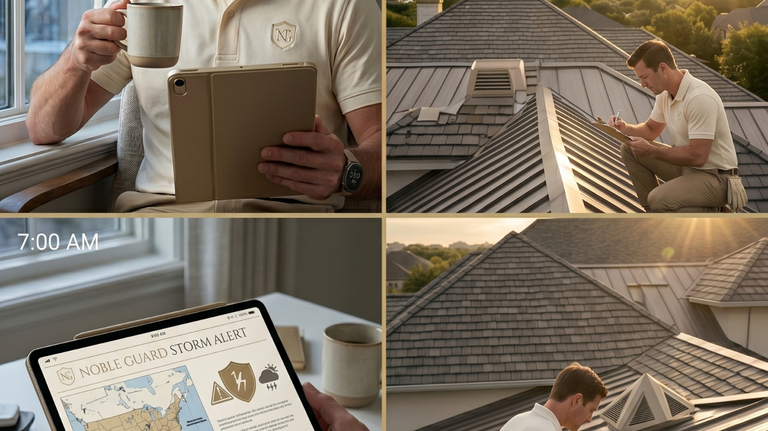
To assess roof damage effectively, combine several methods:
- Visual Assessment: Conduct a thorough inspection from the ground and, if safe, from a ladder.
- Structural Assessment: Check for sagging or structural issues that may indicate underlying damage.
- Use of Drones: Drones can provide a comprehensive view of your roof without risking personal safety.
Working with Insurance Adjusters

Effective communication with insurance adjusters is vital for a successful claim:
- Be Prepared: Have all your documentation ready when speaking with adjusters.
- Communicate Clearly: Clearly explain the damage and your concerns.
- Follow Up: Regularly check in with your adjuster to stay updated on your claim status.
What to Expect During the Adjuster's Roof Inspection
- On-Site Assessment: The adjuster will conduct a thorough inspection of your roof and surrounding areas.
- Documentation Process: They will take their own photographs and notes to document the damage.
- Evaluation of Damage: The adjuster will assess the extent of damage and determine the necessary repairs.
Common Reasons for Claim Denials, and How to Avoid Them
- Insufficient Evidence: Failing to provide adequate documentation can lead to denial.
- Late Reporting: Delaying your claim can result in complications or denial.
- Incomplete Information: Ensure all forms and documentation are complete and accurate.
How to Appeal a Denied Roof Damage Insurance Claim
How Noble Guard Roofing Can Help
Noble Guard Roofing offers free roof inspections and consultations for insurance claims. Our team can help you assess the damage and navigate the claims process, providing detailed reports and documentation so you have the support you need to file your claim confidently.
To schedule a no-cost inspection and claim consultation, call (469) 719-9257. Our team will guide you through the process and make sure you receive the assistance you need.